
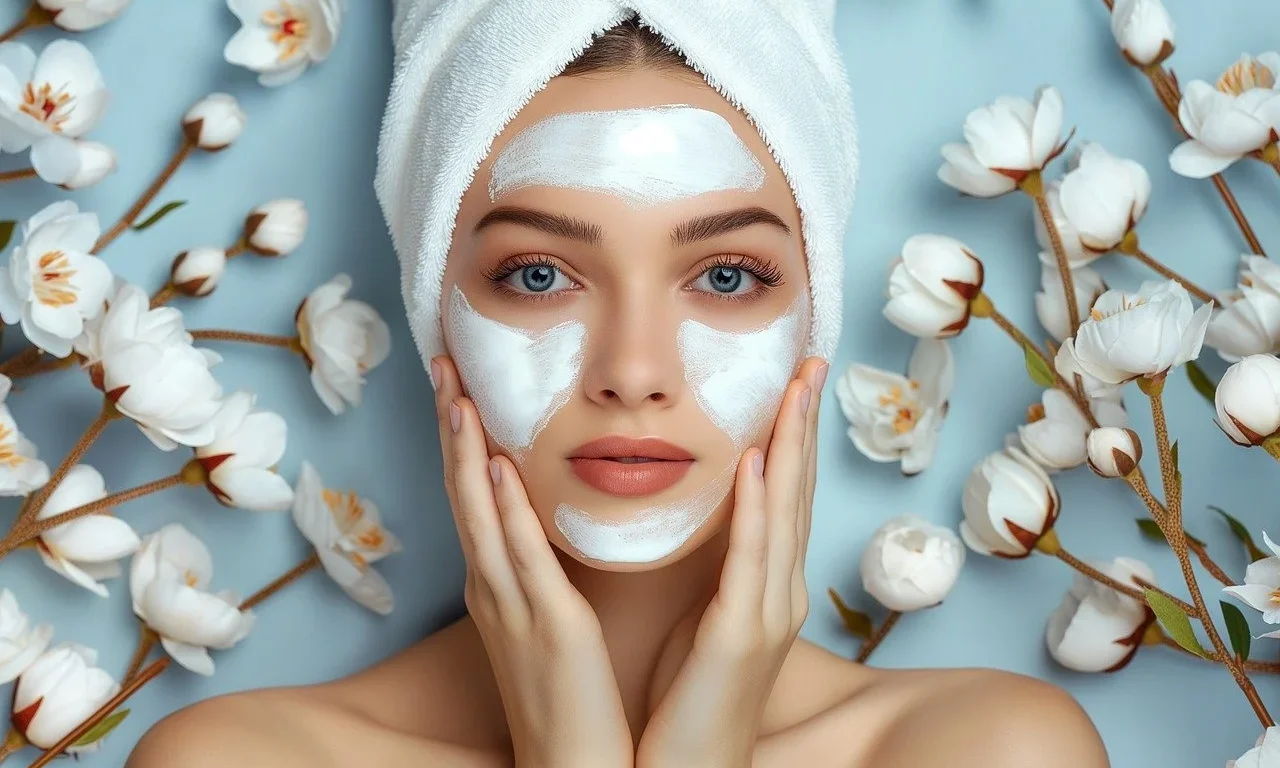
The human face is often described as a “window to the soul,“ reflecting not only emotions and thoughts but also deeper connections to the inner and outer environment. From ancient wisdom to modern science, the face is considered a dynamic canvas that reflects the state of our physical health, emotional well-being, and even the environment. Whether through the lens of Traditional Chinese Medicine (TCM), psychology, or holistic health, the face provides a intricate map of the interaction between the inner and outer worlds.
The face as a reflection of inner health
Many ancient medical systems, including TCM (Traditional Chinese Medicine) and Ayurveda (Indian medicine), view the face as an indicator of what is happening inside the body. In TCM, the face is divided into zones that correspond to different organs and systems in the body, a practice known as facial mapping.
• Forehead: Associated with the digestive system and liver. Pimples or wrinkles on the forehead may suggest digestive imbalances or stress.
• Between the eyebrows: Associated with the liver. Deep lines here can indicate stagnation or over-exertion of the liver.
• Cheeks: Associated with the lungs. Dry or irritated cheeks can indicate respiratory problems, while redness may be associated with inflammation or high blood pressure.
• Chin and jaw: reflect the reproductive and hormonal system. Pimples in this area are often associated with hormonal changes or an imbalance.
TCM teaches that when internal energy (or Qi) is in harmony, the face glows with vitality. Conversely, imbalances in the body’s systems manifest as visible signs on the face, whether through dryness, acne, discoloration, or wrinkles.
Similarly, modern dermatology and holistic health practitioners often recognize that the skin, especially the skin on the face, reveals deeper internal issues. For example, gut health is known to play a significant role in the appearance of the skin. Conditions such as acne, rosacea, and eczema can often be linked to inflammation or imbalance within the digestive system.
Emotional States and the Face – The Psychology of Expression
On a more immediate level, the face is a powerful communicator of our emotional state. Microexpressions – brief, involuntary facial expressions – can reveal true emotions even when someone is trying to hide them. Psychological research has shown that facial expressions are universal indicators of emotion, with distinct patterns for joy, sadness, anger, fear, and surprise (the basic emotions), as well as the rest of the emotional palette we display with our faces.
• Joy and positivity are reflected through relaxed, lifted facial features: raised eyebrows, crow’s feet around the eyes, and a smiling mouth.
• Stress and sadness are expressed by furrowed eyebrows, tense lips, and downward mouth movements.
• Anger and frustration are often expressed through clenched jaws, clenched teeth, and narrowed eyes.
Repeated use of certain muscles in response to emotions can even lead to the development of facial wrinkles known as frown lines or laugh lines. These facial marks reveal how often we experience and express particular emotions, merging our inner emotional world with the outward expression of our feelings.

The face and impact of environmental opportunities
The face is also very sensitive to changes in the external environment. Factors such as climate, pollution, and even stress caused by social interactions affect the condition of the skin and the muscles beneath it. Environmental factors, such as air quality and UV exposure, can cause skin damage over time, manifesting as:
• Dryness: Cold, dry weather, especially in the fall and winter, can strip moisture from the skin, leading to flaking and rough patches.
• Premature aging: Exposure to sunlight without proper protection accelerates collagen breakdown, resulting in wrinkles and sagging skin.
• Inflammation: Air pollutants, such as smog or smoke, can clog pores and trigger inflammatory reactions, leading to acne or redness.
Even the social environment affects the face. Interactions involving stress, anxiety, or joy can visibly change facial expressions, tightening or relaxing muscles depending on the nature of the encounter. Facial tension, especially in areas like the jaw or eyebrows, can become chronic in people exposed to high levels of stress, leading to long-term changes in facial structure.
The connection between mind and body – the face as a bridge between the inner and outer world
The face can be seen as a bridge between our inner, physiological, and emotional world and the external environment. For example, emotions trigger physical reactions – blushing when embarrassed, pale skin when fearful, or furrowing the brow when stressed. These physiological reactions are not isolated events but reflect the deep interconnectedness of mind and body.
On a deeper level, practices such as facial yoga, acupressure, or meditation address this mind-body connection. These techniques aim to relax facial muscles, improve circulation, and promote healing of the skin and internal organs. In TCM, facial massage and acupuncture are used to balance the flow of energy, not only to improve appearance but also to promote overall health.
Similarly, in psychology, the facial feedback hypothesis suggests that our facial expressions can influence our emotions. A smile, even when forced, can actually make us happier. This principle reinforces the idea that the face not only reflects internal states but can also shape them, acting as feedback between the mind and the body.
Conclusion – balance and a holistic approach will be reflected on the face
The holistic approach says that we should care for our face both inside and out.
1. Internal care:
• Stay hydrated: drinking enough water ensures your skin stays plump and hydrated.
• Eat a balanced, seasonal diet: Foods rich in antioxidants, vitamins, and minerals support healthy skin from within. Omega-3 fatty acids, found in foods like salmon and flax seeds, are especially beneficial for maintaining skin elasticity.
• Manage stress: Practices like mindfulness meditation, yoga, or breathing exercises can reduce tension and improve the appearance of your skin.
2. Exterior care:
• Skincare routine: Using moisturizers, sunscreens, and gentle cleansers protects the skin from environmental damage and maintains its natural barrier. The skincare routine should be tailored to the skin type and condition, as well as to external conditions.
• Facial massage and exercises: Regularly massaging your face or practicing facial yoga can improve circulation, tone muscles, and reduce the appearance of fine lines.
• Protection from environmental factors: wearing sunscreen, staying hydrated, and protecting your skin from harsh weather conditions are key to maintaining healthy skin.
Conclusion: Balance is reflected on the face.
The human face is much more than a surface of beauty; it is a mirror of the deep balance between our inner state and the external environment. From the influence of our emotions on the health of our organs, to even the environment we live in, the face tells a complex story of how the world within and around us shapes who we are. Through holistic care of our face, we honor the interconnectedness of mind, body, and environment, fostering not just beauty, but overall well-being.